The Truth Will Set You Free: Unpacking the Power of John 18:44
The Truth Will Set You Free: Unpacking the Power of John 18:44
The Bible is filled with profound wisdom and insight, but few verses have the same level of impact as John 18:44. This single phrase, "Jesus therefore gave them a sign, and said to them, 'I said to you that I am he.'" has been a source of debate, discussion, and spiritual contemplation for centuries. But what exactly does it mean, and how can we apply its power to our lives? In this article, we'll delve into the history, context, and significance of John 18:44, exploring its relevance to our modern world and the enduring message of the Gospel.
The story of John 18:44 takes place during the Passion Week, when Jesus is being interrogated by the high priest Caiaphas. The Romans had arrested Jesus, and he was being questioned by the Jewish leaders to see if they could find any grounds for executing him. The passage describes the moment when Jesus tells the guards to take him to the Roman governor, Pontius Pilate, and how Caiaphas responds. "Jesus therefore gave them a sign, and said to them, 'I said to you that I am he.'" is the phrase that has sparked debate and discussion for centuries. Some have interpreted it as Jesus confirming his identity as the Messiah, while others have seen it as a statement of authority, a demonstration of his divine power.
To understand the significance of this verse, it's essential to delve into the historical context in which it was written. The Gospel of John was composed during the late 1st century AD, likely between 90 and 110 AD. The author, traditionally believed to be John the apostle, wrote the Gospel in response to the growing gnostic movement in the early Christian church. Gnostics emphasized secret knowledge and spiritual insight, often at the expense of scripture and tradition. The Gospel of John, with its focus on the divine Logos (or Word) and the role of Jesus as the Son of God, was a deliberate attempt to counter this trend and establish a solid foundation for Christian theology.
The context of the passage itself is also crucial. Jesus has just been arrested in the Garden of Gethsemane and is being taken to the high priest's palace. The Pharisees and Sadducees are gathered, eager to find a way to condemn Jesus and put an end to his teachings. Jesus, knowing the charges against him are baseless, responds calmly and confidently, proclaiming his identity as the Messiah. The guards, likely perplexed by Jesus' authority and conviction, take him to Pilate, who will ultimately condemn him to death.
Jesus: The Incarnate Truth
So what does Jesus mean when he says, "I said to you that I am he."? This phrase is often seen as a statement of fact, a confirmation of Jesus' identity as the Son of God. But it's more than that. Jesus is not just identifying himself as a historical figure or a teacher; he's declaring his divinity, his oneness with the Father. This statement is a fundamental aspect of Christian theology, and it's essential to understand the implications.
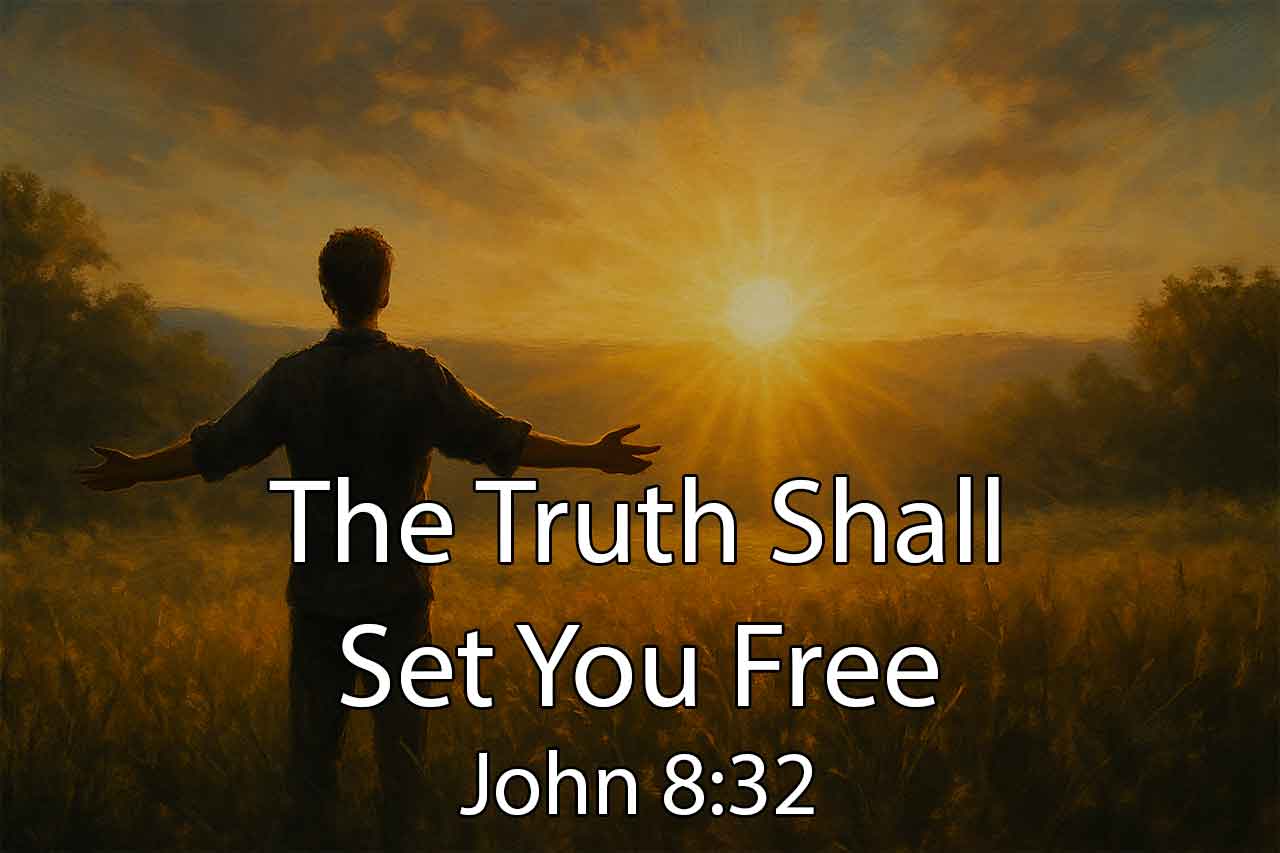
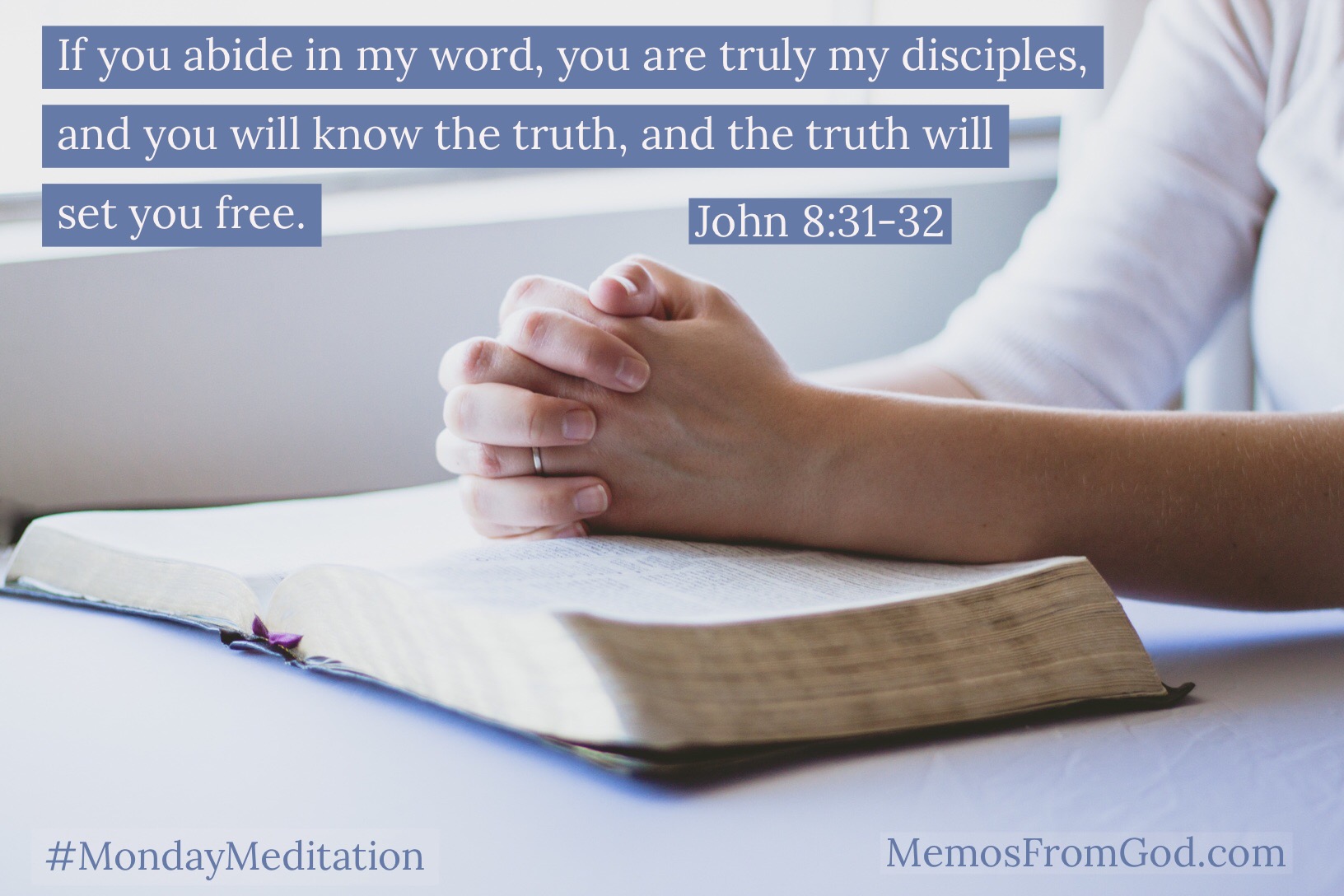
"The truth will set you free" (John 8:32) is a phrase that Jesus uses repeatedly throughout the Gospels. It's a declaration of the liberating power of truth, the knowledge that comes from a relationship with God. Jesus is not just speaking of abstract truth; he's talking about the concrete, personal truth of his own identity and mission. When he says, "I said to you that I am he," he's affirming that he is the source of truth, the one who embodies the divine nature.
In the words of N.T. Wright, a leading New Testament scholar, "Jesus is not just claiming to be a great teacher or a wonderful moral example; he's claiming to be the Son of God, the Messiah, the one who has come to save the world." This statement is not just a theological claim; it's a historical fact, a reality that has been witnessed by thousands of people throughout history.
Jesus' Authority: A Sign of Divine Power
Another interpretation of John 18:44 is that Jesus is demonstrating his divine authority, his power to act independently of the forces of human opposition. The phrase "Jesus therefore gave them a sign" suggests that he's performing an act of divine power, a demonstration of his authority that transcends human understanding. This reading is supported by the context of the passage, where Jesus is facing intense pressure from the Pharisees and Sadducees, who are trying to find a way to condemn him.
When Jesus gives the guards a sign, he's not just confirming his identity; he's exercising his divine authority, proving that he is the one who has come to save the world. This reading is also supported by the Gospel of John's emphasis on the divine Logos, the Word of God, which is personified as Jesus Christ.
In the words of theologian Hans Urs von Balthasar, "The sign is not just a demonstration of power; it's a manifestation of truth, a declaration of Jesus' divine identity." When Jesus gives the guards a sign, he's not just showing off his abilities; he's revealing his nature, his character, and his mission.
The Power of Truth in a Broken World
So what can we learn from John 18:44, and how can we apply its power to our lives? The passage reminds us that truth is not just an abstract concept; it's a living, breathing reality that has the power to set us free. When we respond to Jesus' declaration of truth, we're not just acknowledging a historical fact; we're entering into a relationship with the living God.
In a world that's increasingly fragmented and divided, the power of truth is more essential than ever. We're bombarded with conflicting messages and competing narratives, and it's easy to get lost in the noise. But Jesus reminds us that truth is not just a theory or a doctrine; it's a person, a living, breathing reality that has the power to transform our lives.
In the words of C.S. Lewis, "The truth is not a theory or a concept; it's a person, a living, breathing reality that has the power to set us free." When we respond to Jesus' declaration of truth, we're not just acknowledging a historical fact; we're entering into a relationship with the living God, the one who has the power to transform our lives and set us free.
A Call to Obedience
Finally, John 18:44 reminds us of the call to obedience that comes with knowing the truth. When Jesus says, "I said to you that I am he," he's not just declaring his identity; he's issuing a challenge, a call to follow him and obey his teachings. This call to obedience is not just a moral imperative; it's a spiritual reality that requires a deep surrender of our wills and our lives.
In the words of St. Paul, "I have been crucified with Christ, and I no longer live, but Christ lives in me" (Galatians 2:20). When we respond to Jesus' declaration of truth, we're not just acknowledging a historical fact; we're surrendering our lives to him, embracing his teachings, and following him on the path of obedience.
Conclusion, or so it seems, is not the end of the article. As we conclude, let us reflect on the profound significance of John 18:44 and the power of truth in a broken world. As we ponder the declaration of Jesus, let us remember that truth is not just an abstract concept; it's a living, breathing reality that has the power to set us free.
Related Post

Unraveling the Mystery of Unfulfilled Prophecy: Understanding John 18:44

Unmasking the Enigmatic Jessica Schumer: A Journey Through Her Life, Career, and Controversies
Winona Ryder's Ageless Charm: Unpacking Her Iconic Role in Bram Stoker's Dracula</h3><p>In 1992, Winona Ryder reprised her breakout role as Mina Harker in Francis Ford Coppola's adaptation of Bram Stoker's Dracula, cementing her status as a Hollywood leading lady. In this article, we'll delve into the making of this iconic film, exploring the intricacies of Ryder's portrayal of Mina and the ways in which it showcases her ageless talent.</p><p>Winona Ryder's casting as Mina Harker in Bram Stoker's Dracula was a pivotal moment in the film's production. Ryder, who was in her mid-twenties at the time, brought a youthful energy to the role, which offset the more mature performances of the film's other lead actors, including Gary Oldman and Anthony Hopkins. As Ryder herself notes, "I was so young, and I was playing a character who was kind of an innocent, and I think that's what made her so compelling."</p><p>Coppola, who has long been a supporter of Ryder's work, saw in her a unique talent that would bring depth and nuance to the character of Mina. "Winona had a sense of vulnerability and fragility that was perfect for the role," Coppola recalled in an interview. "She was able to convey the character's emotions in a way that was both subtle and powerful."</p><p>One of the key aspects of Ryder's performance in Bram Stoker's Dracula is her ability to convey the complexities of Mina's character. On the surface, Mina appears to be a traditional Victorian-era wife, devoted to her husband and lacking in assertiveness. However, as the film progresses, it becomes clear that Mina is a strong-willed and independent individual, capable of withstanding the pressures of the supernatural forces that surround her.</p><p>Ryder's portrayal of Mina is characterized by a mix of fragility and determination. Her character's emotional vulnerability is palpable, particularly in the film's iconic scenes, such as the scene in which Mina is trapped in the snake scene with the vampire. At the same time, Mina shows remarkable resilience and strength in the face of adversity, refusing to give in to the forces of darkness that seek to consume her.</p><p>Bulleted points of critical acclaim:</p><p>• Ryder received wide praise for her performance, with many critics noting her ability to bring depth and nuance to the character of Mina.</p><p>• The film's use of sensual imagery and visual metaphors added to Ryder's performance, creating a dreamlike quality that drew audiences into Mina's world.</p><p>• Coppola's direction of the film was widely praised, with many critics noting his ability to create a sense of tension and foreboding that was both suspenseful and atmospheric.</p><h2>Behind the Scenes of Bram Stoker's Dracula</h3><p>The making of Bram Stoker's Dracula was a complex and often challenging process. Coppola, who had previously helmed films such as The Godfather and Apocalypse Now, was determined to create a film that would be both faithful to the original novel and innovative in its approach. As he notes, "I wanted to create a film that would be a metaphor for the vampire's victims – people who are trapped in their own lives, struggling to find freedom and release."</p><p>Coppola's vision for the film was shaped by his own experiences growing up in a family of artists. "I grew up surrounded by art and music, and I think that's where my love of storytelling comes from," Coppola explained. "I wanted to create a film that would be a hybrid of art and film, something that would be both beautiful and terrifying."</p><p>The film's production was marked by intense collaboration between Coppola and his cast and crew. As Ryder recalls, "Francis is an incredibly talented and intense director, and he demands a lot from his actors. But at the same time, he's also incredibly generous and supportive – he wants to bring out the best in everyone."</p><h3>Impact and Legacy of Bram Stoker's Dracula</3><p>Bram Stoker's Dracula was released in 1992 to widespread critical acclaim. The film grossed over $215 million at the box office and won several awards, including an Academy Award for Best Costume Design.</p><p>However, the film's impact went far beyond its commercial success. As a film, Bram Stoker's Dracula redefined the boundaries of cinematic horror, pushing the genre in new and innovative ways. As a performance, Ryder's portrayal of Mina Harker set a new standard for actresses in the genre, demonstrating a depth and nuance that was both captivating and inspiring.</p><p>Today, Bram Stoker's Dracula remains a cult classic, widely regarded as one of the greatest horror films of all time. As Ryder notes, "I feel incredibly fortunate to have been a part of something that has had such a lasting impact on audiences and the film industry as a whole."</p><p>The lasting impact of Bram Stoker's Dracula can be seen in the many filmmakers and actors who have been influenced by Coppola's vision and Ryder's performance. As one film critic noted, "Bram Stoker's Dracula is a film that has stood the test of time – its themes of love, death, and the supernatural continue to captivate audiences to this day."</p><h1>Conclusion: Winona Ryder's Ageless Charm in Bram Stoker's Dracula

Uncovering the Height of Isabela Merced: Separating Fact from Fiction


